Do I Really Need A Crawl Space Interior French Drain?
Do I Really Need A Crawl Space Interior French Drain?
Crawl space encapsulation scams, cost of interior perimeter drain, weep holes in foundation, hydrostatic pressure myths
*We have installed 1 interior perimeter french drain every 3 years *Our competition put them/demands them in every home *We have never been called back to install a french drain
Most sales reps in this industry have been on the job for six months. They are trained to maximize every ticket, often recorded by their managers to ensure they ‘push’ the perimeter drain. After 15 years and 3,000+ homes, we take a different approach. If you were my brother or sister, I wouldn’t let you waste money on a system that will sit bone-dry for the next decade. Here is the truth about crawl space drainage. We tell our customers “if it does need one we can ALWAYS install one later for 1/2 price”. Not a single call-back!
Competitors say “So much water comes in through your weep holes that your sealed crawlspace demands it“
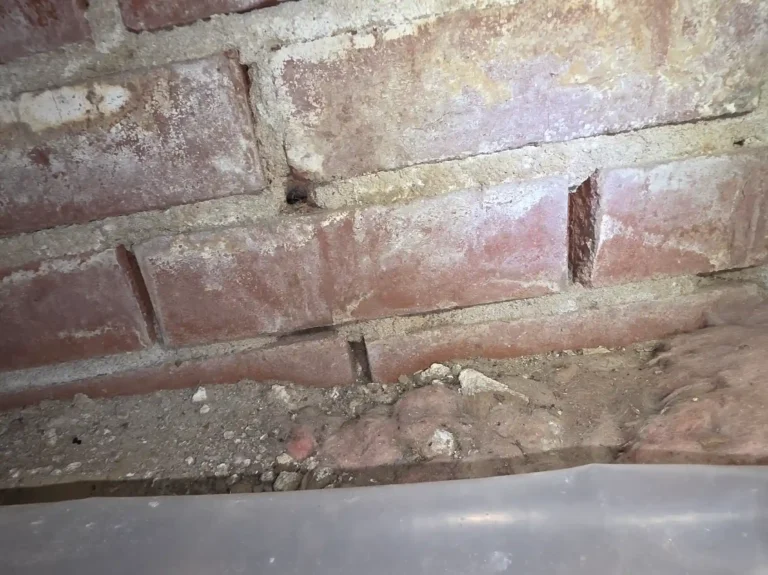
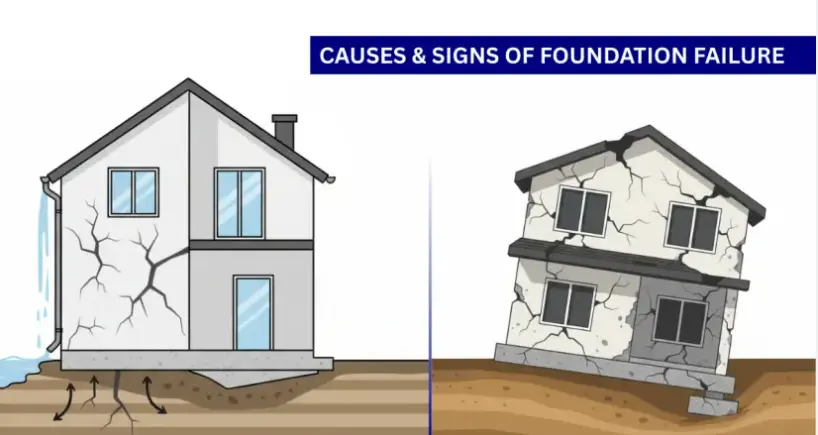
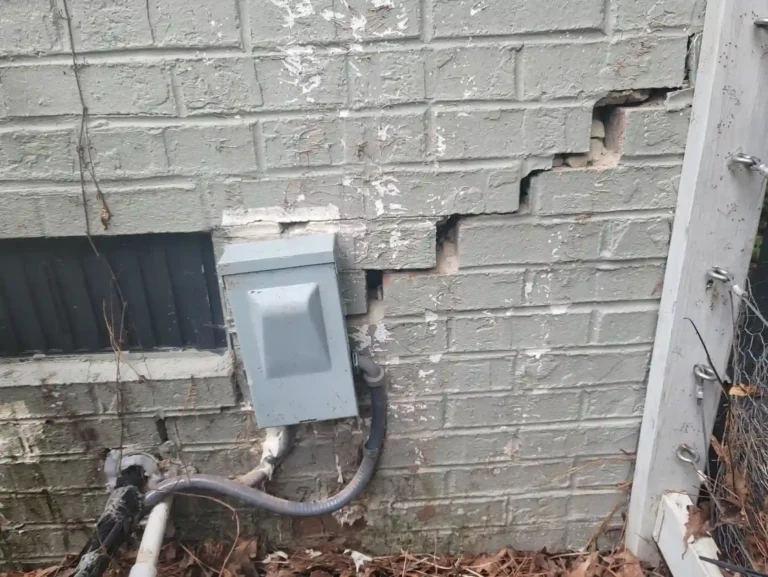
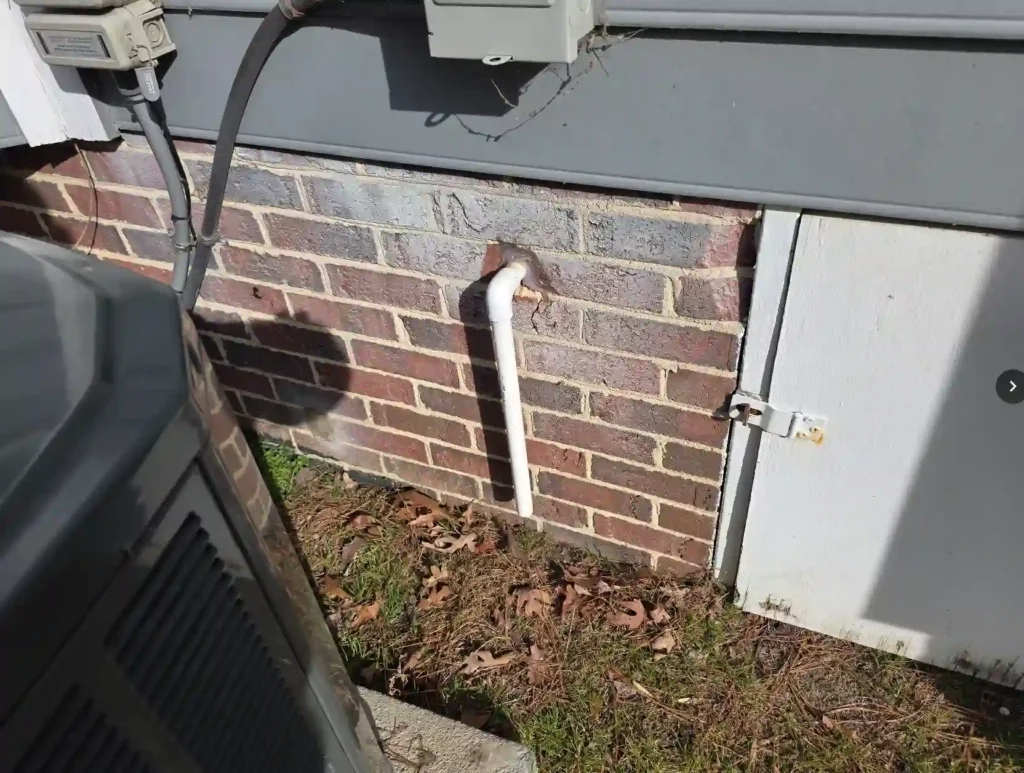
You might see small gaps in the bottom your foundation blocks—these are weep holes. Decades ago, these were allowed, builders thought these were necessary to relieve water pressure. Today, we know that the real danger to your home isn’t a little damp dirt on the inside wall of the crawl space; it’s when water is allowed to pool and saturate the ground FROM THE EXTERIOR allowing water to get under your footer (the wide concrete base of your home). WHATS A FOOTER? If the 8 inch wide foundation wall just sat on the ground it would cut through the ground like a hot knife through butter, especially in the rain. So they had to WIDEN the suport under the foundation so it won’t sink as easy. The footer was dug down to to get to HARD dirt then inpected by Building Inspector for true hardness/compaction of the dirt. Mother Nature compacted this dirt for 100,000 years. Then the concrete was poured 8-12 inches deep and most important 16-24 inches wide. The broader the width the less likely the home is to sink through the hardened dirt. But water against the exterior of the foundation wall, that is not carried away outside the wall fast enough, soaks the dirt under the footer and the dirt compresses more moist and the footer sinks and foundation cracks start to happen. BIGGEST CULPRIT is a gutter downspout that drains all the roofs water right next to the home!
When soil under the footer stays ‘soupy,’ it becomes compressible, which leads to settling and cracks. But unless you have standing water that stays for days, a perimeter drain is overkill. We focus on keeping that footer dry without digging up your entire crawl space for a system you’ll never use